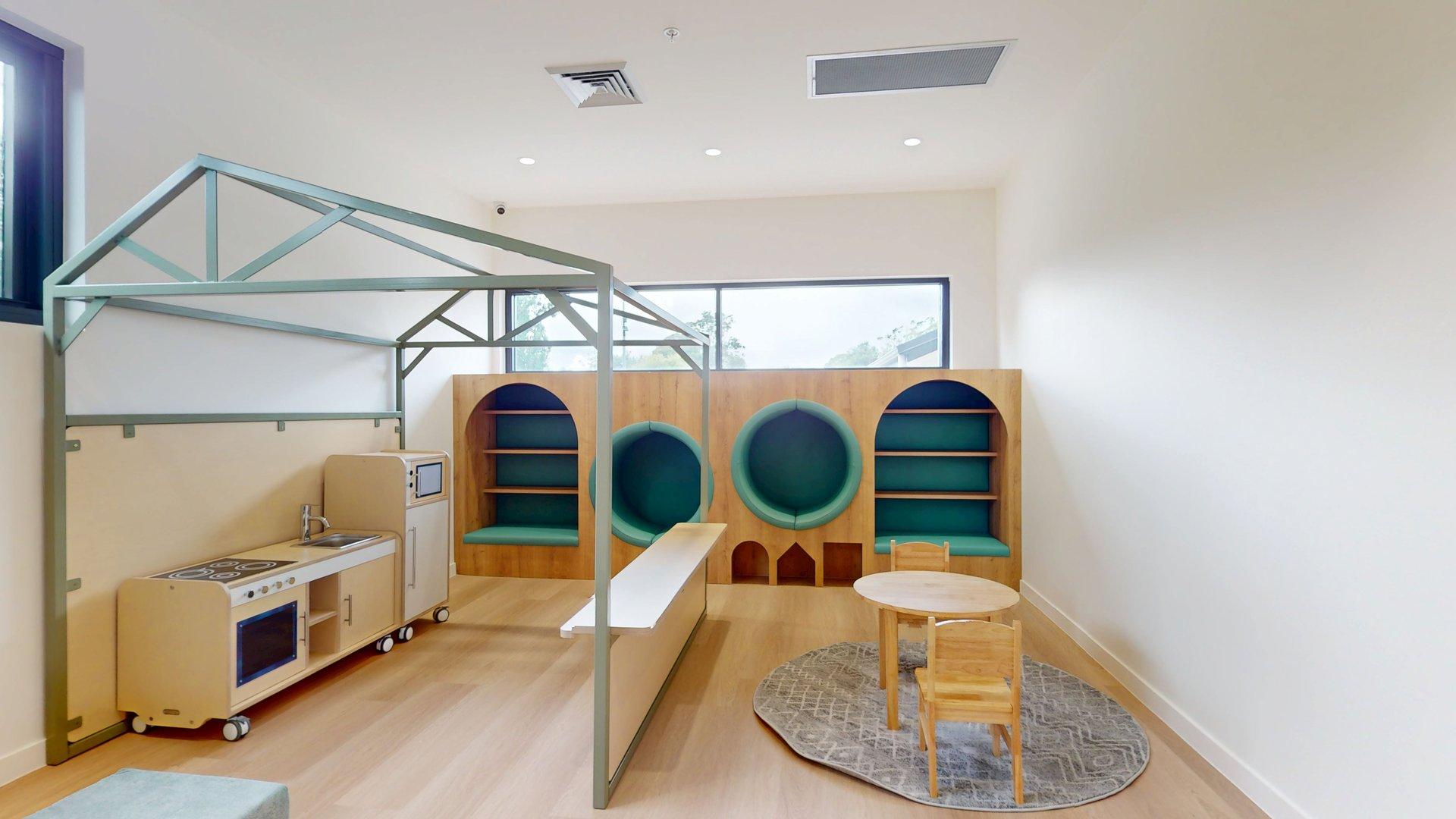
In the early years of childhood, a nurturing learning environment is essential for the holistic development of young minds. This formative period, often regarded as the foundation of a child’s educational journey, requires careful consideration of various factors that contribute to effective learning. A nurturing environment not only supports cognitive development but also fosters emotional, social, and physical growth. This article explores the elements that constitute a nurturing learning environment and offers insights into creating such spaces for young learners.
Understanding the Importance of Early Years Education
The early years of education play a pivotal role in shaping the future of children. During this period, children develop critical skills that form the basis for future learning. An effective early years program:
- Builds a strong foundation for lifelong learning.
- Encourages the development of social and emotional skills.
- Promotes cognitive development through age-appropriate activities.
- Supports physical development through play and exploration.
For more insights into why early years education is crucial, read more about this topic.
Key Elements of a Nurturing Learning Environment
Safe and Stimulating Physical Space
A nurturing learning environment begins with a safe and stimulating physical space. The layout and aesthetics of a classroom can significantly impact a child’s learning experience. Key considerations include:
- Ensuring safety with age-appropriate furniture and materials.
- Creating diverse learning zones for different activities.
- Incorporating natural light and ventilation for a healthy atmosphere.
- Using vibrant colors and educational displays to stimulate interest.
Explore further insights here to understand how physical environments influence learning.
Emotional and Social Support
Emotional and social development is as important as cognitive growth in early childhood. A nurturing environment should provide:
- A supportive atmosphere where children feel valued and respected.
- Opportunities for children to express their emotions and thoughts.
- Activities that promote teamwork and social interaction.
- Guidance in developing empathy and understanding diversity.
Find additional information here on fostering emotional and social growth in early years settings.
Role of Educators in a Nurturing Learning Environment
Educators are pivotal in crafting a nurturing learning environment. Their role extends beyond traditional teaching to include:
- Facilitating learning through exploration and inquiry-based activities.
- Adapting teaching methods to the individual needs of each child.
- Encouraging a love for learning through positive reinforcement.
- Modeling behavior that promotes respect and cooperation.
For a detailed guide on the role of educators, learn more in this detailed guide.
Parental Involvement and Collaboration
Collaborating with parents is crucial in creating a successful learning environment. Parental involvement can be encouraged through:
- Regular communication about the child’s progress and experiences.
- Encouraging parents to participate in classroom activities and events.
- Providing resources and workshops to support learning at home.
- Creating a partnership that respects the family?s culture and values.
To understand more about the significance of parental involvement, explore further insights here.
In conclusion, a nurturing learning environment in the early years is fundamental to the comprehensive development of young children. By focusing on a safe and stimulating physical space, emotional and social support, the role of educators, and parental collaboration, caregivers and educators can ensure that children have the best possible start in their educational journey. The impact of these early experiences resonates throughout a child’s life, underscoring the importance of investing in quality early years education.
