Achieving noticeable muscle growth is a multifaceted process that blends consistent training, proper nutrition, and strategic supplementation. While a solid workout regimen lays the groundwork, the right supplements can accelerate recovery, enhance protein synthesis, and provide the nutrients that are difficult to obtain through food alone. This article examines the most scientifically backed supplements for muscle hypertrophy, explains how they work, and offers practical guidance on incorporating them into a balanced regimen for faster, sustainable results.
Why Supplementation Matters for Muscle Hypertrophy
Muscle tissue responds to mechanical stress by repairing and rebuilding stronger fibers. This adaptive response requires:
- Ample amino acids to repair muscle fibers.
- Energy substrates to fuel intense training sessions.
- Hormonal support to stimulate protein synthesis.
- Recovery aids that reduce inflammation and oxidative stress.
When diet alone cannot meet these demands, especially for athletes with high caloric needs, targeted supplements become a valuable tool. They bridge nutritional gaps, improve training capacity, and ultimately contribute to more efficient muscle growth.
Core Supplements Backed by Research
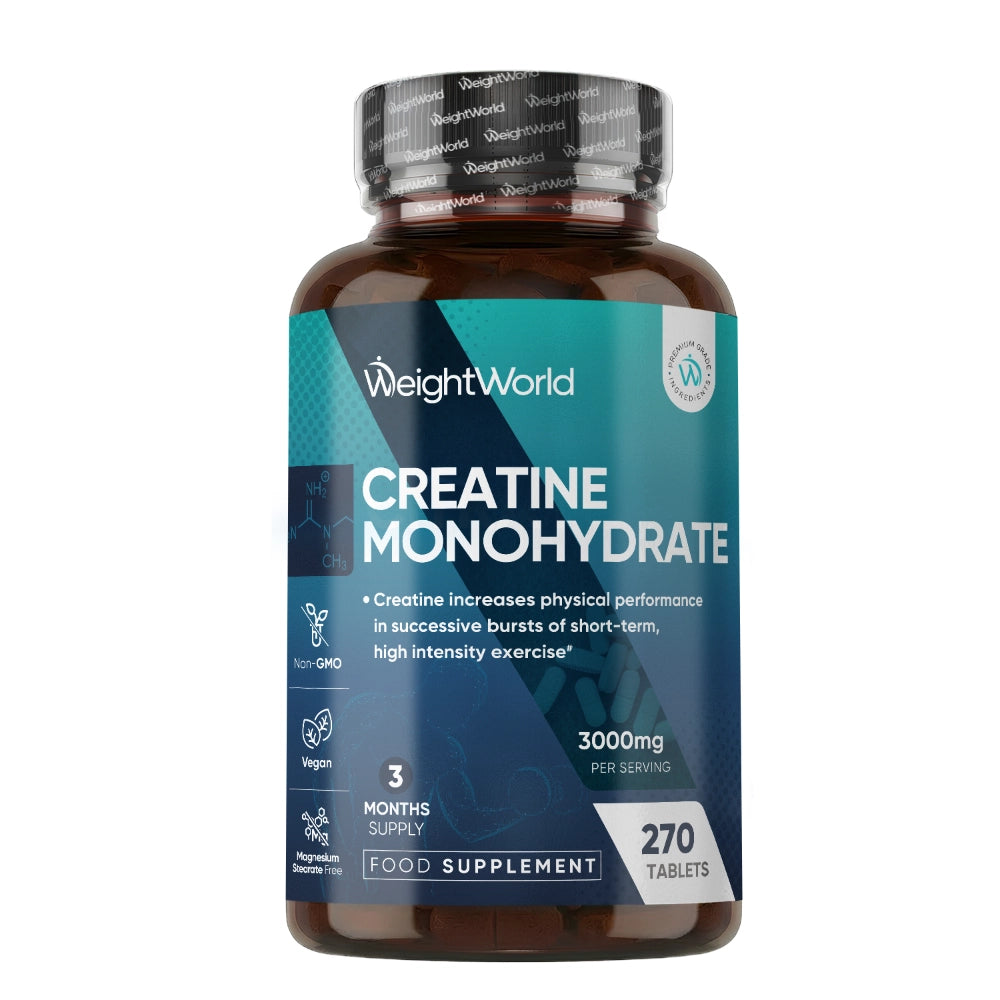
1. Creatine Monohydrate
Creatine is one of the most extensively studied performance enhancers. It works by increasing phosphocreatine stores in muscle cells, which helps regenerate ATP, the primary energy currency during short, high-intensity efforts.
- Dosage: 3-5″?g per day, taken with water or a carbohydrate-rich beverage.
- Benefits: Greater strength gains, increased training volume, and enhanced muscle cell hydration.
- Safety: Well-tolerated for most adults; consult a healthcare professional if you have kidney concerns.
For a curated selection of high-quality creatine products, Discover expert strategies here.
2. Whey Protein Isolate
Whey protein delivers a rapid influx of essential amino acids, particularly leucine, which is a key trigger for the mTOR pathway, a central regulator of muscle protein synthesis.
- Timing: 20-30″?g within 30″?minutes post-workout.
- Advantages: Fast digestion, high biological value, and convenient for meeting daily protein targets.
- Considerations: Choose low-lactose or isolate forms if you’re sensitive to dairy.
Explore a range of whey options and related guidance at Learn about our tailored solutions.
3. Beta-Alanine
Beta-alanine raises intramuscular carnosine levels, which buffers hydrogen ions and delays the onset of fatigue during high-intensity work.
- Typical intake: 2-5″?g per day, split into smaller doses to avoid paresthesia.
- Impact: Improved performance in workouts lasting 1-4 minutes, leading to more total work performed.
For detailed dosing protocols and product options, Explore advanced guides and tips.
4. Branched-Chain Amino Acids (BCAAs)
BCAAs, leucine, isoleucine, and valine, support muscle recovery and reduce muscle soreness, especially when training in a fasted state.
- Effective ratio: 2:1:1 (leucine:isoleucine:valine).
- Use case: During prolonged cardio or as an intra-workout sip.
Find a selection of premium BCAA formulas by visiting Find out more about this approach.
Supporting Supplements for Overall Health
While the core supplements directly influence muscle protein synthesis, ancillary nutrients help maintain hormonal balance, joint health, and immune function, critical components for consistent training.
Omega-3 Fatty Acids
EPA and DHA reduce inflammation, support joint mobility, and may enhance muscle anabolic signaling.
- Dosage: 1-3″?g of combined EPA/DHA daily.
- Sources: High-quality fish oil or algae-based capsules.
Vitamin D
Vitamin D deficiency is linked to reduced muscle strength and recovery. Adequate levels support calcium homeostasis and overall hormonal health.
- Recommended intake: 1,000-4,000″?IU per day, based on blood levels.
- Check serum levels regularly, especially in winter months.
Magnesium
Magnesium participates in ATP production, neuromuscular transmission, and protein synthesis.
- Suggested dose: 300-400″?mg of elemental magnesium per day.
- Prefer chelated forms (e.g., magnesium glycinate) for better absorption.
Practical Tips for Integrating Supplements
- Start with the basics: Creatine and whey protein provide the greatest return on investment for most lifters.
- Cycle strategically: Use beta-alanine and BCAAs during phases of high-intensity training, then pause for a week to assess tolerance.
- Track intake: Log daily supplement doses alongside meals to ensure you stay within recommended ranges.
- Combine with nutrition: Supplements amplify, not replace, a diet rich in whole foods, lean proteins, complex carbs, and healthy fats.
- Stay hydrated: Many supplements (especially creatine) increase intracellular water demand.
Conclusion
Optimizing muscle growth is a science that blends disciplined training, balanced nutrition, and evidence-based supplementation. Creatine monohydrate, whey protein isolate, beta-alanine, and BCAAs form the cornerstone of an effective supplement stack, while omega-3s, vitamin D, and magnesium address the broader health factors that sustain long-term progress. By selecting high-quality products, adhering to proven dosing protocols, and integrating these nutrients into a well-structured diet, lifters can accelerate recovery, lift heavier, and achieve visible gains more efficiently. For a comprehensive collection of muscle-gaining supplements and further guidance, Explore advanced guides and tips and make informed choices that align with personal goals and scientific evidence.
