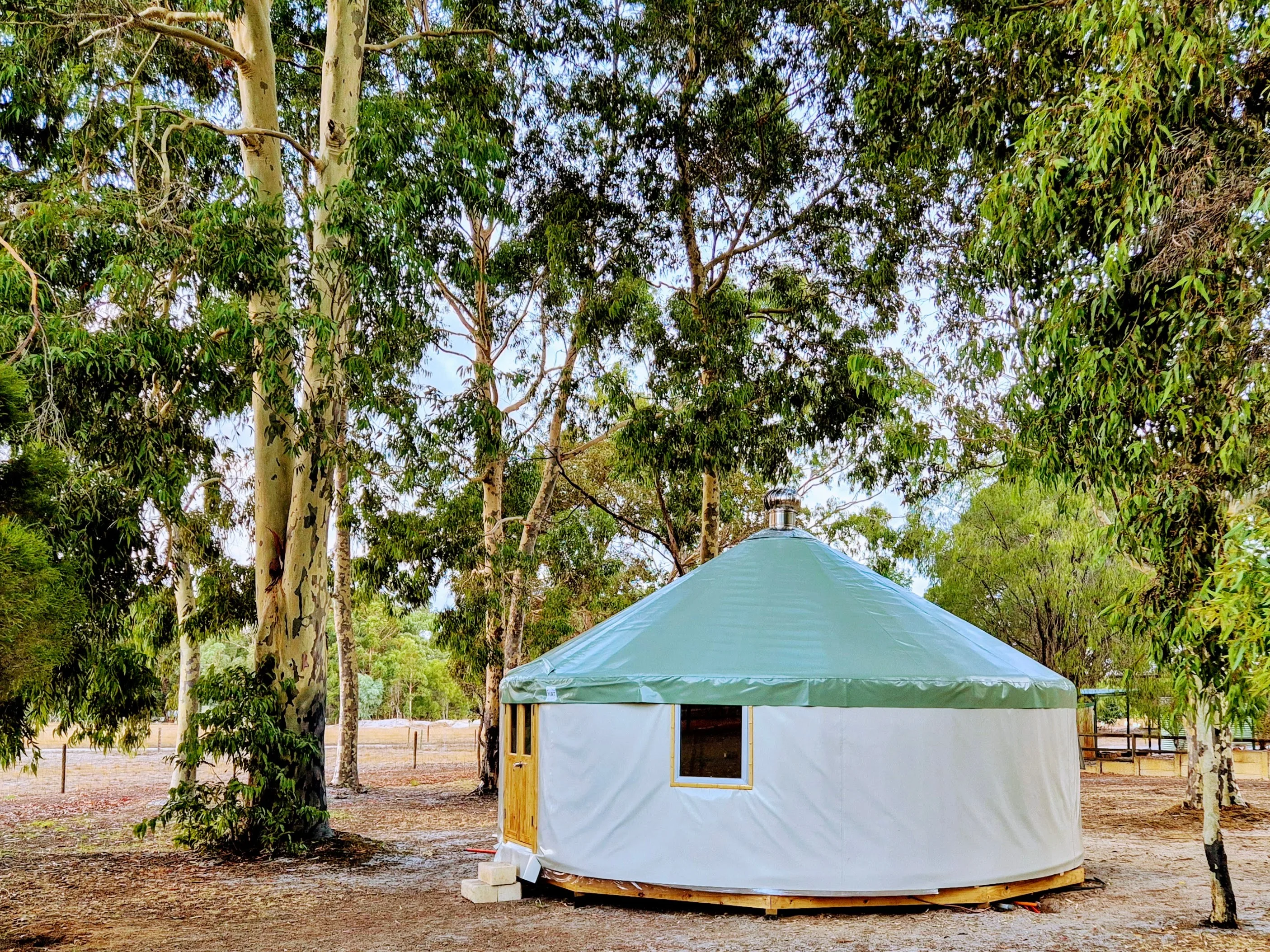
In an era of increasing connectivity, the allure of disconnecting from the grid and retreating to nature is more tempting than ever. Whether it’s the desire for a sustainable lifestyle or a serene getaway, many are considering off-grid retreats. Two popular options for such retreats are yurts and domes. These structures offer unique experiences without the need for traditional tradesmen. However, choosing between them requires understanding their distinct characteristics, benefits, and challenges. This article delves into the details of both options, helping potential off-grid enthusiasts make informed decisions.
Understanding Yurts
The yurt is a circular tent historically used by nomadic peoples from Central Asia. Today, modern yurts have gained popularity for their simplicity and functionality.
Key Features of Yurts
- Structure: Yurts consist of a wooden frame covered with felt or fabric, offering a strong yet flexible build.
- Portability: Designed for easy assembly and disassembly, making them ideal for those who may wish to relocate.
- Climate Adaptability: Yurts are naturally insulated, providing comfort in both warm and cold environments.
- Cost-Effectiveness: Generally more affordable compared to other permanent structures, with lower maintenance costs.
For those interested in yurts as an off-grid solution, read more about this topic on how to integrate these structures into a sustainable lifestyle.
The Dome Advantage
Domes have a futuristic appeal and are often associated with eco-friendly living. Their geometric design offers several benefits, making them a strong contender in the off-grid living market.
Benefits of Dome Living
- Structural Integrity: The geodesic design of domes distributes stress evenly, making them extremely durable and weather-resistant.
- Energy Efficiency: Domes have a smaller surface area compared to traditional homes, which helps in maintaining energy efficiency.
- Versatility: Domes can be used for various purposes, including living spaces, greenhouses, and studios.
- Quick Assembly: Similar to yurts, domes can be assembled without extensive professional help, ideal for remote areas.
Those considering domes for their off-grid retreats can learn more in this detailed guide about maximizing their use.
Yurt vs. Dome: Making the Choice
Choosing between a yurt and a dome involves several considerations. Here are some factors to help decide which is better suited for your needs:
Location and Climate
- Yurts: Best for areas with moderate weather conditions, as their fabric walls may not withstand extreme climates without additional insulation.
- Domes: Ideal for harsher climates due to their robust design and excellent insulation properties.
Purpose and Usage
- Yurts: Suitable for temporary stays or as a secondary living space.
- Domes: More versatile for permanent living or as multifunctional spaces.
For more insights on choosing the right structure, explore further insights here.
Conclusion
The decision to go off-grid is a significant one, and choosing the right structure is crucial to ensure comfort and sustainability. Yurts offer a traditional, eco-friendly choice with their simple design and portability, while domes provide a modern, durable option capable of withstanding various environmental conditions. Both structures offer the possibility of living off-grid without the need for professional tradespeople. Ultimately, the choice between a yurt and a dome will depend on personal preferences, climate considerations, and intended use.
For those ready to take the next step towards off-grid living, find additional information here to help guide your journey.
