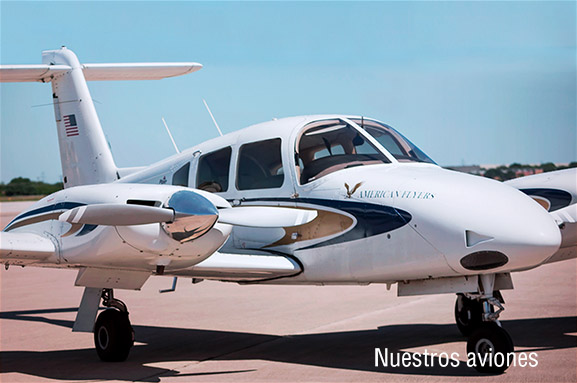
Embarking on the journey to become a private airplane pilot is both exciting and challenging. One of the critical considerations for prospective pilots is the cost of training. Understanding the pricing structure of pilot courses can help students make informed decisions and budget effectively for their training. It is essential to consider various factors that influence the cost, including the type of training program, the duration, and additional fees that may arise during the course. By examining the components of pilot course pricing, aspiring pilots can better navigate their educational journey.
Components of Pilot Course Pricing
Several elements contribute to the overall cost of a private airplane pilot course. It is crucial to understand each component to gain a comprehensive view of the expenses involved.
Tuition Fees
The core of any pilot training program is the tuition fee, which typically covers:
- Ground school training
- Flight instruction
- Use of training aircraft
Tuition fees can vary significantly depending on the school and program. For specific pricing, discover expert strategies here to evaluate different options.
Additional Costs
Beyond tuition, students should anticipate other expenses that may arise, including:
- Examination fees
- Medical certification
- Study materials and resources
- Uniforms and equipment
Each of these components can impact the total cost of pilot training, highlighting the importance of thorough financial planning.
Factors Influencing Course Pricing
Several factors can affect the pricing of a pilot course, influencing the total cost and value of the training received.
Location and Training Environment
The geographical location of the training facility can significantly impact costs. Urban centers may have higher costs due to increased demand and operational expenses. Conversely, schools in rural areas might offer more competitive pricing. It is beneficial to learn about our tailored solutions for different locations.
Duration and Intensity of Training
The length and intensity of the training program can also influence overall costs. Accelerated programs may have higher upfront costs but could lead to savings in the long term due to reduced living expenses.
Reputation and Accreditation
The reputation of the training institution and its accreditations can affect pricing. Established schools with a history of successful graduates might charge premium fees for their expertise and facilities. Prospective students should explore advanced guides and tips to weigh the benefits of different institutions.
Budgeting for Pilot Training
Proper budgeting is crucial for managing the costs associated with becoming a pilot. Consider the following strategies for financial planning:
- Research and compare different training programs and their costs.
- Factor in living expenses if training away from home.
- Explore scholarships and financial aid options.
For more information on budgeting and financial strategies, find out more about this approach to pilot course pricing.
Conclusion
Understanding the pricing structure of private airplane pilot courses is essential for prospective students. By evaluating the components of course pricing, recognizing the influencing factors, and employing effective budgeting strategies, aspiring pilots can make informed decisions that align with their financial capabilities and career goals. For further insights and detailed pricing information, consider exploring available resources and guides that offer comprehensive advice on navigating the financial aspects of pilot training.
