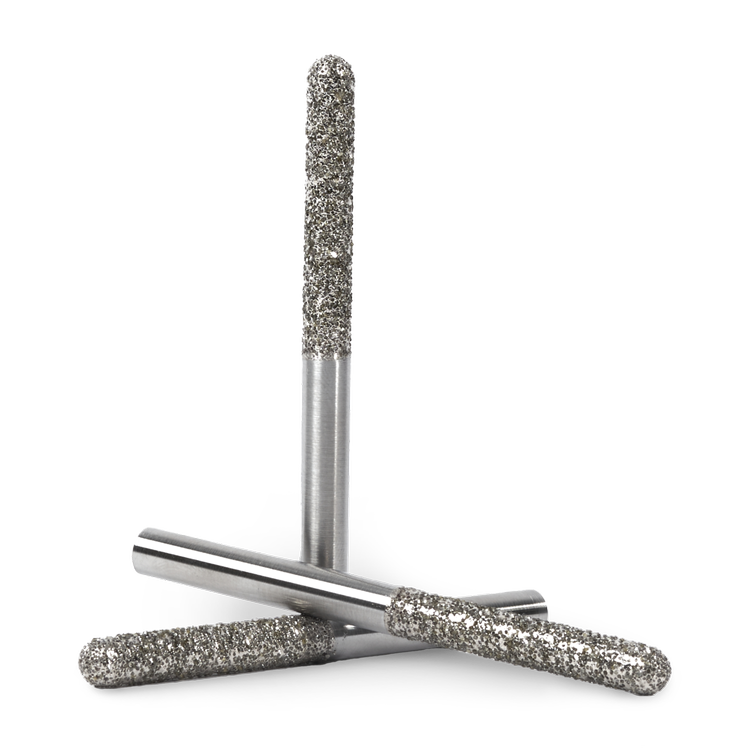
When it comes to metalworking, selecting the right metal grinding tools can drastically impact the efficiency and quality of the work. The market offers a plethora of options, each designed for specific purposes and materials. As such, navigating through these choices can be daunting. This guide aims to provide expert insights into choosing the most appropriate tools for your metal grinding needs, ensuring precision and effectiveness in your projects.
Understanding the Different Types of Metal Grinding Tools
Before delving into specific recommendations, it is essential to understand the different types of metal grinding tools available. Each tool is designed for unique applications and materials, making it crucial to match the tool to the task.
Grinding Wheels
- Bench Grinding Wheels: Used for sharpening tools and grinding various metals.
- Surface Grinding Wheels: Ideal for precision work on flat surfaces.
- Cut-off Wheels: Designed for cutting through metal with precision.
Grinding wheels come in different compositions and grades, making it important to select ones that align with the material and desired finish. For more information on selecting the right grinding wheel, consider consulting with industry experts.
Handheld Grinding Tools
- Angle Grinders: Versatile tools suitable for cutting, grinding, and polishing tasks.
- Die Grinders: Primarily used for more precise work such as deburring and surface finishing.
Each handheld tool offers unique advantages and is compatible with various attachments and accessories, providing flexibility in metalworking tasks. Understanding the specific requirements of your project will guide your choice of grinding tools for metal.
Factors to Consider When Selecting Metal Grinding Tools
In addition to understanding the different types of tools, several factors should be considered to ensure optimal performance and safety.
Material Compatibility
The type of metal being worked on significantly influences the choice of grinding tools. Some materials, such as stainless steel, require specific grinding tools to prevent contamination and achieve the desired finish.
Tool Performance and Durability
- Check the tool’s performance specifications, such as revolutions per minute (RPM) and power rating, to ensure it meets the demands of your task.
- Consider the durability of the tool and its components, especially if it will be used frequently or for extended periods.
Safety Features
Safety should always be a priority when selecting and using grinding tools. Look for features such as safety guards, ergonomic designs, and vibration reduction technologies to minimize the risk of accidents and operator fatigue.
Maintenance and Care of Metal Grinding Tools
Proper maintenance and care can significantly extend the lifespan of metal grinding tools, ensuring consistent performance and safety.
Regular Inspection and Cleaning
- Inspect tools regularly for signs of wear or damage and replace parts as necessary.
- Keep tools clean and free from debris to prevent clogging and overheating.
Storage and Handling
Store tools in a dry, organized space to prevent damage and ensure they are readily accessible. Proper handling during use and transportation will also help maintain their condition and performance.
Conclusion
Choosing the right metal grinding tools can significantly impact the quality and efficiency of your projects. By understanding the types of tools available, considering essential factors such as material compatibility and tool performance, and maintaining proper care, you can ensure that your grinding tasks are completed with precision and safety. For further guidance, consulting with professionals in the field can provide invaluable insights and recommendations tailored to specific needs.
