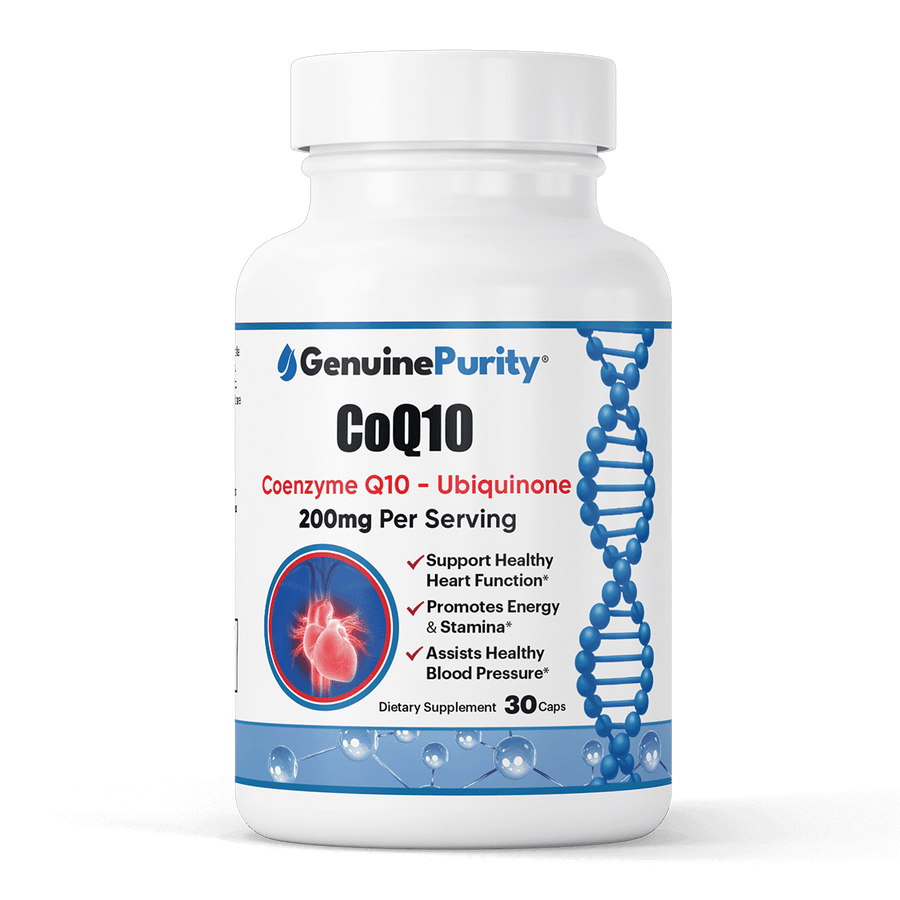
Coenzyme Q10 (CoQ10) is a vital nutrient that supports cellular energy production and antioxidant defense. Two primary forms dominate the market: ubiquinol, the reduced, active antioxidant form, and ubiquinone, the oxidized precursor that the body must convert. Understanding the subtle differences between these forms, how they are absorbed, and which might suit individual health goals can be challenging. This guide breaks down the science, compares key factors, and helps you decide which CoQ10 supplement aligns best with your lifestyle and physiological needs.
Understanding the Two Forms of CoQ10
Ubiquinone (Regular CoQ10)
- Structure: Oxidized, stable molecule that must be reduced to ubiquinol within cells.
- Conversion: The body’s enzymatic pathways convert ubiquinone to ubiquinol; efficiency declines with age and certain health conditions.
- Typical Uses: Often chosen for general cardiovascular support and as a supplement for healthy adults.
Ubiquinol (Reduced CoQ10)
- Structure: Directly active antioxidant; ready for immediate cellular use.
- Bioavailability: Higher absorption rates, especially beneficial for older adults or individuals with compromised digestive function.
- Typical Uses: Targeted for seniors, athletes, and those managing oxidative stress-related conditions.
Key Factors to Consider When Choosing a CoQ10 Supplement
- Age and Metabolic Health: As enzymatic conversion slows after the age of 40, ubiquinol often provides a more reliable source of active CoQ10.
- Dosage Needs: Ubiquinol may achieve desired plasma levels at lower doses due to its superior absorption.
- Cost Considerations: Ubiquinol typically commands a higher price point; however, the increased efficacy can offset the need for larger quantities.
- Formulation Type: Softgel, liquid, or powder formats affect stability; ubiquinol is more sensitive to oxidation, requiring protective delivery systems.
- Specific Health Goals: Cardiovascular support, energy enhancement for exercise, or antioxidant protection for chronic conditions may dictate the preferred form.
Comparative Benefits: Ubiquinol vs. Regular CoQ10
| Aspect | Ubiquinol | Ubiquinone (Regular CoQ10) |
|---|---|---|
| Absorption Rate | ??? 70-85% (higher in older adults) | ??? 40-60% (varies with age) |
| Stability | More prone to oxidation; requires airtight packaging | Highly stable; longer shelf life |
| Typical Dosage | 50-150″?mg per day | 100-300″?mg per day |
| Cost per mg | Higher | Lower |
| Best For | Seniors, athletes, individuals with malabsorption | Generally healthy adults seeking basic support |
Practical Guidance for Selecting the Right Product
When evaluating options, consider the following checklist:
- Verify third-party testing for purity and potency.
- Look for antioxidant stabilizers (e.g., vitamin E) that protect ubiquinol from oxidation.
- Check the label for the exact form, “ubiquinol” or “CoQ10 (ubiquinone).”
- Assess the delivery matrix: softgel capsules often provide the best protection for ubiquinol.
- Read user reviews that discuss real-world absorption and energy outcomes.
For a comprehensive overview of high-quality options, Discover expert strategies here. The resource outlines formulation nuances that can influence efficacy.
Integrating CoQ10 Into Your Daily Routine
- Timing: Take with a meal containing healthy fats to enhance absorption.
- Consistency: Daily intake yields the most reliable plasma levels; sporadic use limits benefit.
- Synergy: Pair with other mitochondrial nutrients such as B-vitamins, magnesium, and alpha-lipoic acid for amplified energy production.
For deeper insight into complementary nutrients, Learn about our tailored solutions. The guide explains how combined supplementation can optimize cellular performance.
Potential Side Effects and Safety Profile
Both forms of CoQ10 are generally well-tolerated. Reported mild side effects include gastrointestinal discomfort, headache, or a metallic taste. Ubiquinol’s higher bioavailability may reduce the likelihood of gastrointestinal upset because lower doses are required.
Individuals on anticoagulant therapy should consult a healthcare professional before initiating supplementation, as CoQ10 can interact with blood-thinning medications.
Conclusion: Choosing the Best CoQ10 for Your Needs
Deciding between ubiquinol and regular CoQ10 hinges on age, health status, budget, and specific performance goals. Ubiquinol offers superior absorption and immediate antioxidant activity, making it ideal for older adults, athletes, and those with digestive challenges. Regular CoQ10 remains a cost-effective choice for younger, healthy individuals seeking foundational support.
To explore a product that balances potency, stability, and transparent sourcing, Explore advanced guides and tips. Detailed product information and scientific backing can help you make an informed decision.
Finally, staying informed about the latest research ensures you select a supplement that truly aligns with your health objectives. For ongoing updates and evidence-based recommendations, Find out more about this approach.
