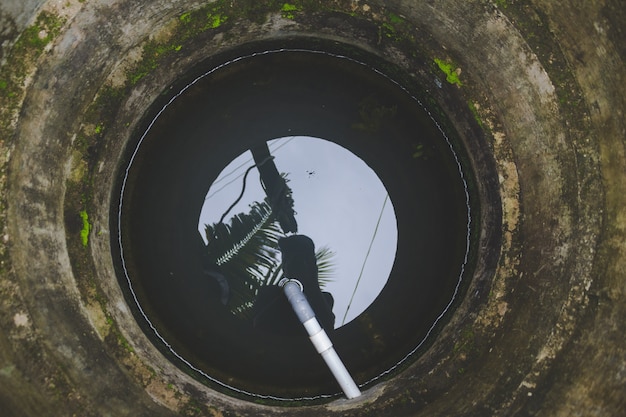
Proper maintenance of a septic sewer system is essential to ensure its longevity and efficiency. Septic systems play a crucial role in managing household waste, and their upkeep should not be neglected. Regular maintenance helps prevent costly repairs and environmental issues, ensuring a safe and healthy living environment. Understanding the key factors in septic sewer maintenance is vital for homeowners to manage their systems effectively.
Understanding the Basics of Septic Systems
Before delving into maintenance practices, it’s important to understand how a septic system works. A typical septic system consists of a septic tank and a drain field. Wastewater from the household flows into the septic tank, where solids settle at the bottom, forming sludge, while oils and grease float to the top as scum. The remaining liquid, or effluent, flows out to the drain field, where it is naturally filtered by the soil.
The Role of the Septic Tank
The septic tank is a critical component of the system, and its maintenance is crucial for preventing blockages and overflows. Regular septic tank maintenance involves pumping out the accumulated sludge and scum to ensure the system functions efficiently.
Key Factors in Septic Sewer Maintenance
1. Regular Inspections and Pumping
One of the most important aspects of septic sewer maintenance is conducting regular inspections and pumping. Homeowners should:
- Schedule inspections every three to five years.
- Pump the septic tank as needed, typically every three to five years, depending on household size and usage.
- Monitor the system for signs of failure, such as slow drains, foul odors, or standing water near the drain field.
2. Water Conservation Practices
Excessive water usage can overwhelm a septic system, leading to malfunctions. Implementing water conservation measures can greatly benefit system health:
- Fix leaks promptly to prevent unnecessary water flow into the system.
- Install water-efficient fixtures and appliances.
- Practice mindful water usage, such as spreading out laundry loads and minimizing shower times.
3. Proper Waste Disposal
What goes into the septic system has a significant impact on its performance. Homeowners should:
- Avoid flushing non-biodegradable items, such as wipes, diapers, and feminine hygiene products.
- Dispose of chemicals and medications properly, rather than flushing them.
- Use septic-safe household cleaners and detergents.
4. Protecting the Drain Field
The drain field plays a crucial role in filtering effluent and should be protected from damage:
- Do not park vehicles or place heavy objects over the drain field.
- Avoid planting trees or shrubs with deep roots near the drain field.
- Keep rainwater drainage systems, such as gutters, away from the drain field area.
Conclusion
Understanding and implementing these key factors in septic sewer maintenance can significantly extend the lifespan of a septic system, prevent environmental hazards, and save on repair costs. Regular septic tank maintenance, water conservation, proper waste disposal, and protecting the drain field are essential practices for maintaining system efficiency. Staying informed and proactive ensures a well-maintained septic system that effectively manages household waste, safeguarding both the property and the environment.
