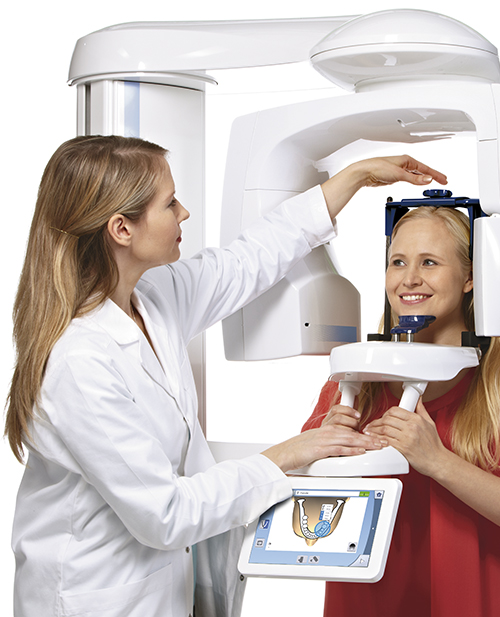
In the realm of dental diagnostics, 3D cone beam computed tomography (CBCT) has emerged as a transformative technology, offering detailed and comprehensive insights into oral health. Unlike traditional two-dimensional dental X-rays, 3D cone dental X-rays provide a three-dimensional view of the patient’s dental structure. This advanced imaging technique allows dental professionals to diagnose, plan, and execute treatments with increased precision and confidence. As dental technology continues to evolve, the adoption of 3D cone dental X-rays is becoming more prevalent, providing numerous benefits to both practitioners and patients.
Enhanced Diagnostic Capabilities
One of the primary advantages of 3D cone dental X-rays is their ability to enhance diagnostic capabilities. These X-rays offer a complete view of the dental anatomy, facilitating early detection and accurate diagnosis of various dental conditions. Some of the key benefits include:
- Detailed visualization of bone structure, teeth orientation, and soft tissues.
- Identification of abnormalities such as cysts, tumors, or impacted teeth.
- Accurate assessment of bone loss and periodontal disease progression.
For more detailed insights into the diagnostic benefits, read more about this topic.
Improved Treatment Planning
3D cone dental X-rays play a crucial role in treatment planning, especially for complex dental procedures. The three-dimensional images provide a clear and precise map of the patient’s oral structures, enabling dental professionals to plan treatments with enhanced accuracy. This is particularly beneficial for:
- Implant placement, ensuring optimal positioning and integration.
- Orthodontic procedures, allowing for precise alignment of teeth.
- Endodontic treatments, facilitating the identification of root canals and their morphology.
To learn more about how 3D imaging aids in treatment planning, explore further insights here.
Reduced Radiation Exposure
Concerns about radiation exposure are common among patients undergoing X-ray imaging. However, 3D cone dental X-rays are designed to minimize radiation exposure while providing high-quality images. Key points regarding radiation exposure include:
- Use of a focused X-ray beam that limits exposure to the area of interest.
- Significantly lower radiation levels compared to traditional CT scans.
- Advanced technology that balances image quality with safety.
For additional information on radiation safety, find additional information here.
Patient Comfort and Convenience
3D cone dental X-rays offer a convenient and comfortable experience for patients. The quick and non-invasive nature of the procedure makes it an appealing option for dental diagnostics. Benefits related to patient experience include:
- Quick imaging process, typically completed in less than a minute.
- Non-invasive procedure with no discomfort.
- Immediate availability of images for review by the dental professional.
For a comprehensive understanding of the patient benefits, learn more in this detailed guide.
Conclusion
3D cone dental X-rays represent a significant advancement in dental imaging technology, offering numerous benefits that enhance both diagnosis and treatment planning. With improved image quality, reduced radiation exposure, and increased patient comfort, this technology is setting new standards in dental care. As more dental practices integrate 3D cone dental X-rays into their diagnostic processes, patients can expect higher levels of precision and care during their dental treatments. For those interested in understanding the full potential of this technology, explore further insights here.
