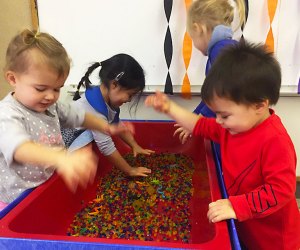
Engaging a baby’s senses through sensory play is more than just fun; it’s a crucial aspect of their early development. Sensory play includes activities that stimulate a child’s senses of touch, smell, taste, sight, and hearing, as well as anything that engages movement and balance. By exploring the world through their senses, babies develop essential cognitive, motor, and social skills. This type of play not only supports brain development but also lays the foundation for future learning. Understanding the benefits of sensory play can help caregivers and parents create enriching environments that promote a child’s growth and well-being.
Understanding Sensory Play
Sensory play is essentially any activity that provides a child with a tactile experience. These activities are designed to engage multiple senses, encouraging children to explore and investigate their surroundings. Examples include:
- Playing with textured materials like sand, water, or rice.
- Exploring different sounds using musical instruments or household objects.
- Experimenting with colors and shapes through painting or drawing.
- Tasting different flavors and experiencing various smells through safe, supervised food play.
The Benefits of Sensory Play for Babies
1. Cognitive Development
Sensory play can significantly enhance a baby’s cognitive development. By interacting with different textures and materials, babies learn about cause and effect, problem-solving, and decision-making. These early experiences are critical for brain development, as they enhance neural pathways that support learning and memory. For more insights on enhancing cognitive growth through play, learn about our tailored solutions.
2. Motor Skills Enhancement
Playing with sensory materials can greatly improve both fine and gross motor skills. Activities that involve grasping, pouring, and rolling help strengthen hand-eye coordination and dexterity. As babies manipulate objects, they develop muscle control and coordination, which are vital for future tasks like writing and sports. Discover expert strategies here to integrate motor skill development into playtime.
3. Language Development
Sensory play encourages language development as babies describe their experiences and sensations. Engaging in activities that involve different textures, colors, and sounds prompts them to learn new words and concepts. This verbal interaction is essential for building vocabulary and enhancing communication skills. To explore more about language development through play, find out more about this approach.
4. Social and Emotional Growth
Participating in sensory play with peers or caregivers can boost social skills and emotional well-being. It fosters bonding and encourages sharing, cooperation, and empathy. Babies learn to express emotions and understand others’ feelings, laying the groundwork for healthy social interactions. For practical tips on nurturing social skills through play, explore advanced guides and tips.
Incorporating Sensory Play into Daily Routines
Introducing sensory play into a baby’s daily routine is simple and doesn’t require expensive materials. Everyday household items can be transformed into engaging sensory tools. Here are some ideas:
- Create a sensory bin with dried beans, pasta, or rice for scooping and pouring.
- Use safe kitchen utensils to explore sounds and rhythms.
- Incorporate safe, edible finger paints made from yogurt and food coloring for a colorful experience.
- Introduce scented flowers or herbs for a smell exploration session.
In conclusion, sensory play is a vital component of a baby’s development, offering numerous benefits that extend beyond simple entertainment. By actively engaging in sensory activities, babies can develop essential skills that will support their growth and learning throughout childhood. With thoughtful planning and creativity, parents and caregivers can create rich sensory experiences that foster a baby’s development in a fun and interactive way. For more ideas on incorporating sensory play into everyday life, learn about our tailored solutions.
